
 98448444



 Oct 16, 2026
Can Women Perform Hindu Funeral Rites and Kolli in Singapore?
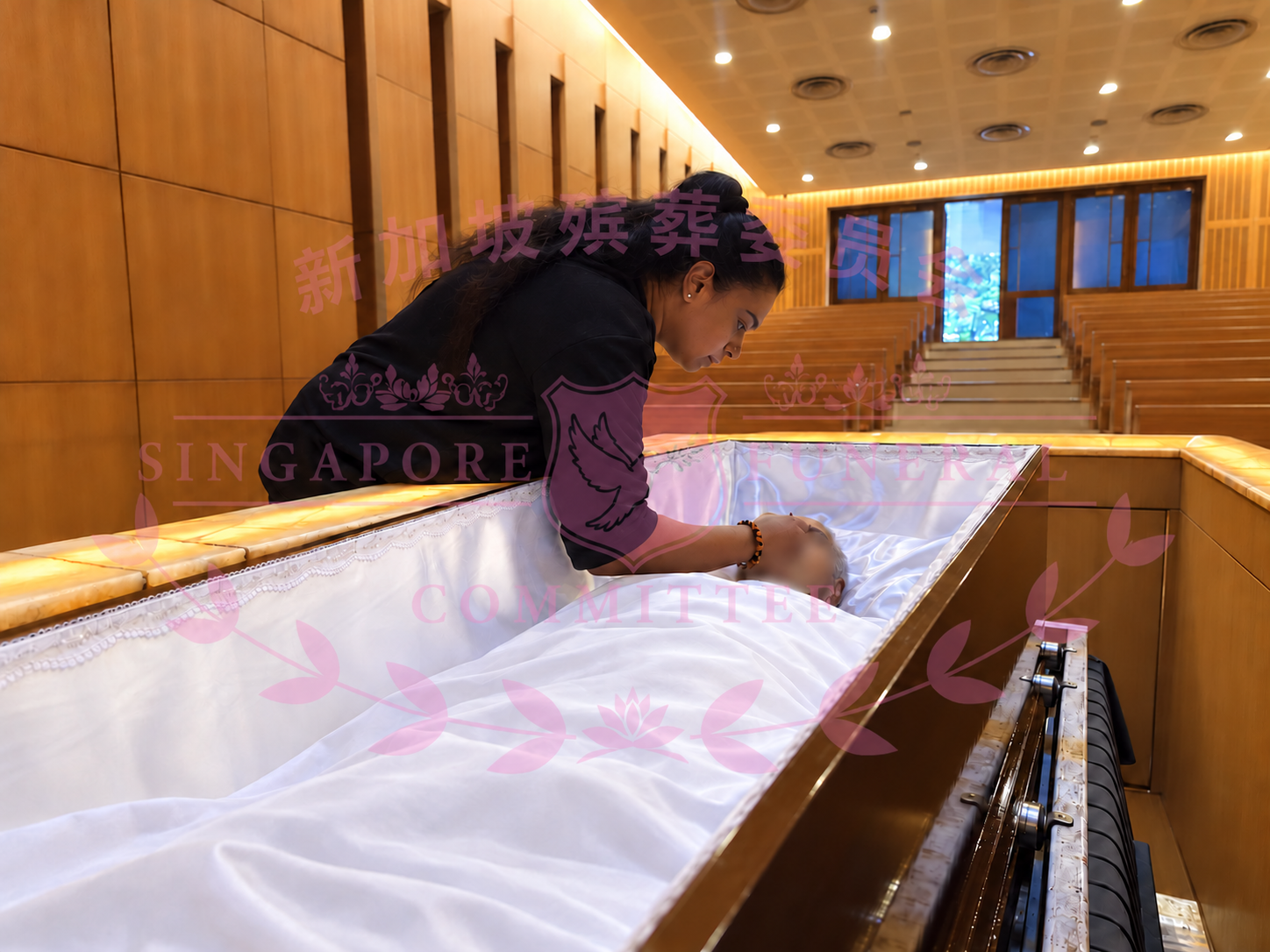
Can women perform Hindu funeral rites, including kolli? In some Hindu traditions and families, women can take the principal role in the final rites. However, practices differ between communities, family lineages and priests. Families should discuss the specific rites with their chosen priest before confirming the arrangements.
A daughter, wife or another woman may wish to honour a loved one through active participation. This deserves a thoughtful conversation about the deceased’s wishes, the family’s tradition and the guidance of the officiating priest.
This guide explains the questions families can ask when arranging a Hindu funeral in Singapore.
For assistance with funeral arrangements, call Singapore Funeral Committee at +65 9844 8444 or WhatsApp our funeral team.
What Does Kolli Mean in Hindu Funeral Rites?
In Tamil funeral usage, families commonly use “kolli” when discussing the fire-related final rite associated with cremation. English spellings and the way families use the term can vary.
Some families use it to refer to a particular ritual action. Others use it more broadly when identifying the person who leads the final rites.
Therefore, ask the priest what the term means within your family’s ceremony. Also, clarify which actions the principal mourner will undertake.
At a modern crematorium, religious observances must fit the facility’s procedures. A ritual role does not automatically mean that a family member personally operates the cremation equipment.
Can a Woman Perform Kolli?
Some traditions and priests provide for women to lead cremation-related rites. Other families customarily assign that responsibility to a son or another male relative.
For this reason, neither “women can never perform kolli” nor “every Hindu tradition follows the same arrangement” gives families a reliable answer.
Instead, explain your wishes to the officiating priest. Ask whether your tradition allows a woman to take the principal role and how the ceremony would proceed.
A funeral guide published through the Hindu Mandir Executives’ Conference includes provisions involving a woman as the chosen person for cremation rites. This illustrates variation within Hindu practice rather than a universal rule for every community.
Can a Daughter Perform Her Parent’s Last Rites?
A daughter can ask to take the principal role in traditions that recognise this arrangement. Families should discuss this directly with the priest rather than assume that only sons can ever participate.
For example, a daughter may wish to lead because she was her parent’s main caregiver, because her parent expressed that wish or because the family has no sons.
However, a daughter’s participation need not be discussed only when a son is absent. The family can raise her wishes with the priest regardless of whether she has brothers.
Ask the priest to distinguish a religious requirement from a family custom. Understanding that distinction can help everyone discuss the decision respectfully.
What if the Family Has Only Daughters?
Tell the funeral director and priest early that the family has only daughters and explain who wishes to lead the rites.
Do not assume that the family must appoint a distant male relative without first discussing the options.
Useful questions include:
- Can a daughter act as the principal mourner in our tradition?
- Which rites can she perform herself?
- Will another family member assist with any part?
- What preparation or instructions does she need?
- How will the crematorium arrangements affect the ceremony?
Agree on the plan before the funeral day wherever possible. This gives the person leading the rites time to understand her role.
Can a Wife or Another Female Relative Lead?
A wife, sister or another female relative may also wish to lead or participate. Discuss the relationship, the deceased’s wishes and the family’s tradition with the priest.
Do not assume that the same order of responsibility applies to every Hindu household. Ask who may lead the particular rites and what alternatives the tradition recognises.
Also, check that the proposed person feels willing and able to take the role. Family members should offer support rather than pressure someone during grief.
Participation Can Include More Than the Principal Rite
Leading kolli and participating in the funeral are different questions. A woman may wish to take part even if another relative leads the principal rites.
Depending on the tradition and the priest’s guidance, discuss opportunities to:
- Join prayers or devotional recitations.
- Offer flowers or other agreed ritual items.
- Take part in the final farewell.
- Support the principal mourner.
- Participate in subsequent remembrance observances.
These are topics for discussion, not a fixed checklist for every Hindu funeral. Confirm each activity with the person conducting the ceremony.
Funeral Rites and Later Observances May Differ
The cremation-day ceremony, ash-related rites and later remembrance observances do not necessarily follow one identical set of roles.
Therefore, ask about each stage separately. A decision about who leads the cremation rites should not automatically settle every later ceremony.
Confirm the dates, locations, participants and items required for the observances your family intends to hold.
How Should Families Handle Different Opinions?
Disagreements may arise when relatives understand the tradition differently. First, allow the person who wishes to participate to explain her reasons.
Next, ask the priest to explain the basis of the proposed arrangement. Where possible, include the deceased’s expressed wishes in the discussion.
A useful approach is to:
- Identify the rites the family intends to observe.
- Explain who wishes to lead or participate.
- Ask the priest about the relevant tradition.
- Discuss alternatives if views differ.
- Confirm the agreed roles before the ceremony.
Avoid debating the arrangements publicly during the farewell. A calm discussion beforehand can help the family focus on remembrance.
Planning Hindu Funeral Rites in Singapore
Religious guidance and crematorium administration serve different purposes.
The priest guides the religious ceremony. Meanwhile, the family and funeral director coordinate the required documentation, booking, transportation and venue arrangements.
NEA provides official information about cremation applications and ash management on its Burial, Cremation and Ash Management page. This administrative guidance does not decide who may perform a Hindu religious rite.
For practical assistance, explore our Hindu funeral services in Singapore.
Questions to Ask Before the Funeral Day
- Who will act as the principal mourner?
- Can the daughter, wife or other woman take the role she requests?
- Which rites will take place at each venue?
- What clothing or preparation does the priest advise?
- Who will provide the ritual items?
- What instructions must participants follow at the crematorium?
- Which later observances does the family wish to arrange?
Ask the funeral director to coordinate the practical timetable with the priest. Then share the confirmed plan with the relatives involved.
Frequently Asked Questions
Does Hinduism have one rule for all women performing last rites?
Hindu communities follow diverse traditions. Some recognise women as principal mourners, while others follow different customary roles. Seek guidance for the specific tradition rather than relying on a universal claim.
Can a daughter perform the rites if she has a brother?
Raise the question with the priest and family. A brother’s presence should not replace a discussion about the daughter’s wishes, the deceased’s preferences and the tradition the family follows.
Can women attend but choose not to lead?
Discuss attendance and participation separately with the family and priest. A woman may wish to support the farewell without taking the principal role.
Can the funeral director decide who performs kolli?
The funeral director helps coordinate the arrangements. The family should discuss religious eligibility and ritual roles with the officiating priest.
Should we confirm these roles before arriving at the crematorium?
Yes. Agreeing on the roles beforehand allows the priest to explain the ceremony and helps participants prepare without last-minute uncertainty.
Hindu Funeral Assistance for Your Family
Tell our team if a daughter, wife or another woman wishes to lead or participate in the funeral rites. We can discuss the practical arrangements and help coordinate the conversation with the officiating priest.
Visit our Hindu funeral service page or contact Singapore Funeral Committee for 24/7 assistance.
 WhatsApp
 98448444